
Adaptive learning platforms are the future of student success because they break the "one-size-fits-all" mold, using AI to provide personalized, real-time instruction that adapts to a learner’s unique pace and needs. These platforms boost engagement, improve knowledge retention, and reduce achievement gaps by providing immediate feedback
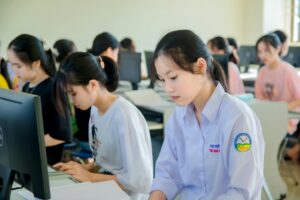
Key Reasons Adaptive Learning is the Future:
- Personalized Learning Pathways: Systems tailor content to individual skill levels, ensuring mastery of concepts before moving on, which improves comprehension and retention.
- Improved Student Outcomes & Engagement: Adaptive platforms can increase pass rates (sometimes up to 90%), boost final grades by 10%, and enhance engagement through interactive, tailored, and sometimes AI-driven content.
- Real-Time Data and Insights: Educators receive immediate feedback on student performance, allowing for proactive, targeted interventions before a student falls behind.
- Increased Accessibility and Flexibility: Learners can work at their own pace and convenience, supporting diverse learning styles and making education more inclusive.
- Efficiency for Teachers: By automating routine tasks like grading and performance monitoring, teachers can focus on deeper, human-centric support and, in some cases, see 40% faster student comprehension.
Developing Problem-Solving Skills
Through adaptive learning, students encounter tasks that are customized to their current abilities. This progressive approach encourages them to apply knowledge in new contexts, strengthening cognitive skills essential for effective problem-solving. By navigating diverse scenarios with personalized guidance, learners develop strategies for thinking critically and making informed decisions. These skills extend beyond academics, equipping students to tackle complex challenges in everyday life and future careers.
Preparing for Lifelong Learning and Adaptability
Adaptive learning also cultivates self-directed learning habits, helping students take ownership of their educational journey. They learn to assess their understanding, seek resources independently, and adapt to new challenges—skills that are increasingly important in today’s rapidly changing world. This approach not only improves immediate academic performance but also instills habits of continuous learning, preparing students for future success in higher education and professional environments.
Adaptive Learning Across Educational Settings
K–12 Education
In K–12 education, adaptive learning engages young learners through personalized content that aligns with their learning styles, pace, and abilities. Technology-driven platforms use data analytics to track student progress, dynamically adjusting lessons to provide targeted support. For example, a student struggling with a specific math concept might receive additional exercises or resources designed to strengthen that skill.
This individualized attention enhances comprehension, motivation, and academic outcomes. Additionally, adaptive learning promotes educational equity by ensuring that all students—regardless of background or ability—receive the support they need to succeed, moving away from a one-size-fits-all model toward a more inclusive learning environment.
Higher Education
In higher education, adaptive learning addresses the diverse needs of students tackling complex subjects. Large class sizes and varied academic backgrounds often make personalized instruction challenging. Adaptive technologies provide customized learning materials and continuously assess student progress, adjusting content and difficulty in real time.
This approach improves engagement, deepens understanding of challenging topics, and nurtures critical thinking skills essential for professional success. In online or blended learning environments, adaptive learning ensures equitable support for all students, helping them navigate their educational paths effectively.
Corporate Training
Adaptive learning is equally transformative in corporate training, where employee development is critical to organizational success. Tailored programs identify individual knowledge gaps and provide customized modules aligned with career objectives and company goals.
By allowing employees to progress at their own pace and revisit challenging content, adaptive learning enhances engagement, maximizes training effectiveness, and fosters a culture of continuous improvement. Organizations benefit from a workforce that develops skills strategically and efficiently, meeting both personal and professional growth objectives.
Challenges and Considerations
Despite its benefits, implementing adaptive learning technology requires careful planning:
-
Integration Complexity: Incorporating adaptive tools into existing curricula can demand significant software, infrastructure, and investment.
-
Teacher Involvement: Educators must engage actively, interpret student data, and adjust instruction accordingly. Ongoing professional development is essential.
-
Adaptability: Teachers need to embrace flexible teaching methods, overcoming resistance to change.
-
Balancing Technology and Human Interaction: Technology should complement, not replace, the essential human elements of teaching, such as empathy, motivation, and mentorship.
-
Collaborative Environments: Combining adaptive technology with traditional teaching strategies ensures meaningful interactions while maximizing educational outcomes.
Conclusion
Adaptive learning offers transformative benefits for students by personalizing education and providing real-time feedback tailored to individual needs. It keeps learners motivated, encourages self-paced progress, and enables timely interventions for those who require additional support.
By promoting autonomy and active participation, adaptive learning cultivates a growth mindset and fosters lifelong learning habits. As educational landscapes evolve, integrating adaptive technologies can create inclusive, engaging, and effective learning experiences for students at all levels. Educators and institutions that embrace these innovations stand to improve long-term outcomes, equipping learners with the skills, confidence, and adaptability needed for success in an ever-changing world.