
Australia’s decision to restrict social media access for teenagers under 16 has sparked a global conversation around childhood, digital wellbeing, and the long-term effects of excessive screen exposure. As other countries explore similar regulations, the debate is gradually shifting beyond whether children should spend less time online to an equally important question: What healthier habits should take their place?
For neOwn, India’s tech-enabled, app-based children’s book rental platform, the answer lies in creating meaningful, screen-light experiences that nurture focus, imagination, and curiosity while encouraging early reading habits in children. At a time when conversations around social media addiction and shortened attention spans are gaining momentum globally, neOwn is positioning reading not merely as an educational habit, but as a way of helping children build healthier relationships with attention and creativity from an early age.
Rather than approaching the challenge as a simple rejection of technology, neOwn’s philosophy centres on building alternatives that children genuinely enjoy. The brand believes that long-term behavioural shifts happen not through restriction alone, but when children are introduced to experiences that naturally feel rewarding, calming, and enriching.
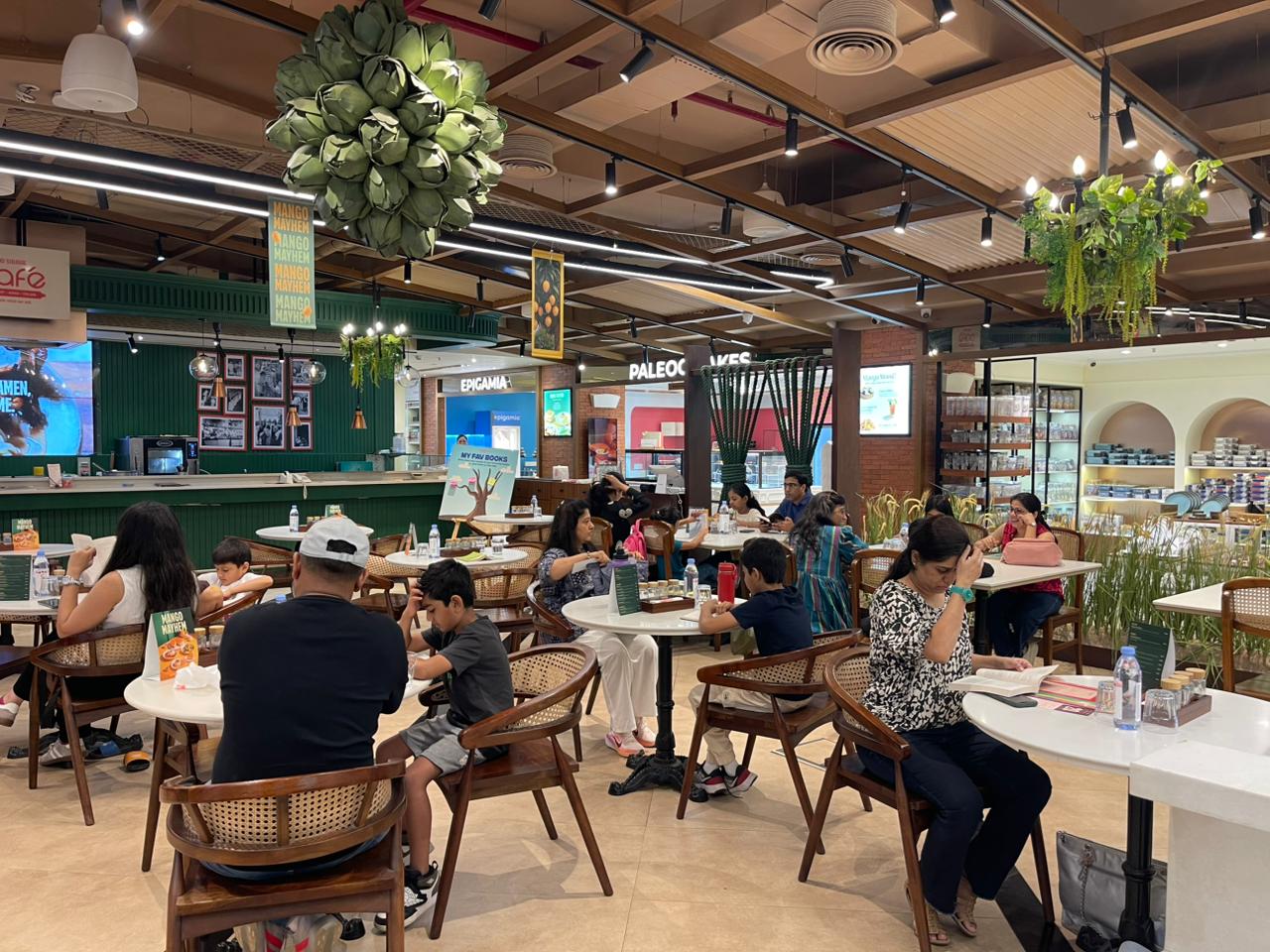
Beyond its services designed to encourage reading among children, neOwn has been actively organising collective silent reading sessions, immersive community experiences that invite children to unplug and engage with books in a peaceful, distraction-free setting. During these sessions, children bring books of their own choice and read together in silence, creating a shared environment that promotes focus while making reading feel social and enjoyable. The sessions are often interspersed with thoughtful, light-touch surprises and activities to keep the experience engaging and memorable.
The impact of these sessions is increasingly visible through the experiences of both children and parents attending them. One parent shared, “My daughter hasn't sat still with a book for more than 10 minutes at home. Watching her read for 30 minutes straight, surrounded by other kids doing the same thing, made me realize it's not that she can't focus. It's that we need to give her the space to.”
For many children, the sessions are also becoming spaces of inspiration and belonging. “I didn't know other kids liked reading this much. I thought it was just me. Now I know I am not alone,” said a 9-year-old participant.
Another 11-year-old attendee spoke about how the experience encouraged creative confidence. “Seeing kids my age who have written actual books made me think, ‘I could do that too.’ I have been writing stories in my notebook, but I didn't think anyone would care. Now I want to finish one and show people.”
The relevance of such initiatives becomes more pronounced as countries like Australia experiment with social media restrictions and governments worldwide examine stronger digital safeguards for children. In India too, discussions around children’s online safety, attention spans, and digital dependency are becoming increasingly urgent.
However, many child development advocates argue that reducing screen dependency cannot happen through bans or regulation alone. Children also need spaces that encourage patience, imagination, emotional connection, and uninterrupted concentration, qualities that are often strengthened through reading.
This is where initiatives like neOwn’s silent reading circles gain significance. By transforming reading into a collective, joyful, and calming activity, the brand is attempting to rebuild a culture of sustained attention at a time when digital distraction increasingly dominates childhood.
As India weighs how best to support children growing up in a hyper-connected world, the larger question may not only be whether social media should be restricted, but also whether enough is being done to make slower, healthier habits feel equally exciting.