
Pic Credit: Pexel
India's approach to education and employment is undergoing a gradual transformation as practical skills become increasingly important to career success. As industries adopt new technologies, expand production and respond to changing consumer needs, employers are looking beyond academic qualifications for workers who can solve problems, operate equipment and contribute from the first day on the job.
This shift is creating fresh opportunities for India's vocational education market. From advanced manufacturing and healthcare to artificial intelligence, renewable energy and hospitality, skill-based training is emerging as an important link between education and employment. For millions of young Indians, it offers an alternative route into the workforce, while businesses see it as a way to address skill shortages and improve productivity.
The opportunity is substantial, but the challenge is equally important: vocational education must move beyond certificates and translate into better jobs, higher incomes and sustainable careers.
Bridging the Gap Between Education and Employment
India has a large pool of educated young people, yet many graduates struggle to find jobs that match their qualifications. Employers often report gaps in practical experience, technical competence and workplace readiness, particularly in roles that require specialised tools or industry-specific knowledge.
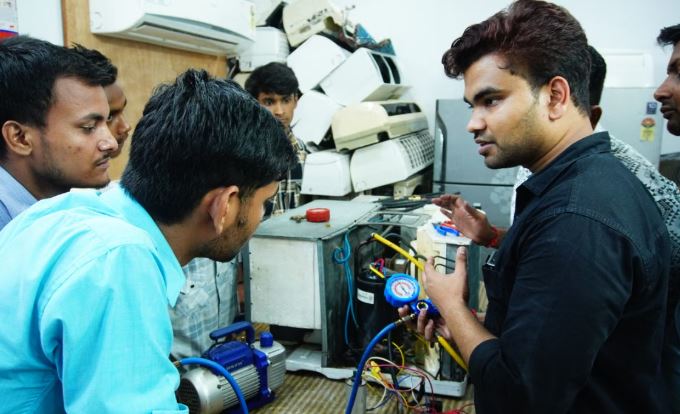
Vocational education can help address this disconnect by combining classroom instruction with hands-on training. Students learn how to perform specific tasks, understand workplace standards and apply their knowledge in real situations.
Formal vocational training remains limited in India. Estimates suggest that only around 4% of people aged 15–59 have received formal vocational training, while informal learning through employment, family businesses and practical experience is much more common. This gap highlights the need to expand access to recognised, high-quality training.
The objective should not be to steer students away from conventional degrees. Instead, India needs an education system in which academic learning and practical skills complement each other. Engineering students, for example, benefit from industrial experience, while technical trainees need opportunities to advance into specialised qualifications and supervisory roles.
A stronger connection between education and employment can help young people make better career decisions while giving businesses access to workers whose skills match operational requirements.
Emerging Industries Are Creating Demand for Skilled Workers
The future of vocational education will increasingly be shaped by changes across India's economy. As manufacturing expands and businesses invest in technology, demand is growing for technicians, machine operators, maintenance specialists and workers trained in quality control.
The transition towards clean energy is creating opportunities in solar installation, electrical maintenance and battery-related services. Healthcare facilities require trained support staff, laboratory technicians and caregiving professionals, subject to the qualifications required for each role. Construction, logistics, automobile servicing and hospitality also depend heavily on practical skills.
Digital technology is opening another set of career pathways. Short-term and specialised programmes in data analytics, cloud computing, cybersecurity and digital operations can help learners develop job-relevant capabilities. However, these courses must provide practical experience and a sound technical foundation rather than rely entirely on recorded lessons or theoretical assessments.
Artificial intelligence is also changing the nature of work. While some routine tasks may become automated, businesses will need people who can use digital tools effectively, interpret information, maintain systems and adapt to new processes.
This makes continuous learning increasingly important. A qualification that is relevant today may need to be supplemented with new skills as technology and workplace expectations evolve.
Government Initiatives Support the Skills Agenda
Government programmes are helping expand vocational learning through training schemes, apprenticeships and efforts to modernise technical institutions.
The National Education Policy 2020 promotes vocational exposure within mainstream education, with the aim of reducing the traditional divide between academic and occupational learning. Skill development initiatives, including the Pradhan Mantri Kaushal Vikas Yojana, seek to provide training aligned with employment needs, while apprenticeship programmes allow learners to gain practical experience in workplace settings.
Industrial Training Institutes and other technical institutions remain central to this effort. Their effectiveness increasingly depends on access to modern equipment, qualified instructors and course content that reflects industry requirements.
The next step is to ensure that training programmes respond to actual local employment opportunities. A course in industrial automation may be valuable in a manufacturing hub, while healthcare, tourism or hospitality training may be more relevant in other regions.
Success must also be measured by employment outcomes. The number of people enrolled or certificates issued provides only part of the picture. Job placements, starting salaries, retention, employer feedback and opportunities for career progression offer a clearer indication of whether training is working.
Vocational Education Is Becoming a Business Opportunity
The expansion of skill-based learning is creating opportunities for private training providers, educational technology companies, technical institutes and employers.
Companies increasingly have reasons to participate directly in workforce training. A manufacturer may work with an institute to prepare machine operators, while a renewable-energy company may help train technicians for installation and maintenance work. Healthcare providers and hospitality businesses can also collaborate with educational institutions to develop job-specific programmes.
Such partnerships can make training more relevant and help businesses reduce the time required to prepare new recruits. They can also give students exposure to workplace expectations before they enter full-time employment.
For training providers, potential revenue streams include course fees, employer-funded programmes, apprenticeship support, professional certifications and corporate training. Digital platforms can widen access to theoretical instruction, while partnerships with local institutes provide the practical component.
However, commercial growth must be supported by quality and accountability. Training companies that promise guaranteed jobs or unusually high salaries without credible evidence risk damaging public confidence. Their long-term success will depend on whether learners acquire skills that employers genuinely value.
Vocational education can also support entrepreneurship. Training in tailoring, electrical repairs, beauty services, food processing, automobile maintenance and digital services can help individuals establish small businesses, particularly when combined with financial literacy, marketing and basic business management.
The Importance of Apprenticeships and Practical Experience
One of the most effective ways to prepare learners for employment is to combine structured education with workplace experience.
Apprenticeships allow trainees to learn under experienced professionals, understand industry standards and develop confidence in performing real tasks. For employers, they provide an opportunity to assess potential recruits before offering longer-term employment.
Expanding paid apprenticeships could be particularly beneficial for young people who cannot afford extended periods without income. Smaller businesses may also benefit from shared training arrangements, industry partnerships and financial support that makes participation more manageable.
Practical experience should not be limited to traditional trades. Digital marketing students can work on real campaigns, hospitality trainees can gain supervised customer-service experience, and technology learners can participate in industry projects.
These opportunities help students build portfolios, develop communication skills and demonstrate their abilities to prospective employers. They also make the transition from training to employment less dependent on formal qualifications alone.
Challenges That the Market Must Overcome
Despite growing interest, India's vocational education system faces several barriers. Social perceptions remain a major obstacle, as some families continue to associate career success primarily with university degrees and government jobs. Changing this mindset will require visible examples of vocational graduates achieving stable employment, respectable earnings and career advancement.
Training quality is another concern. Outdated machinery, insufficient practical instruction and weak employer connections can leave students with certificates but limited job prospects. Institutions must regularly review course content and invest in instructors who understand current industry practices.
Affordability also matters. Course fees, transport expenses and lost earnings can prevent young people from participating in training. Scholarships, accessible local centres and paid apprenticeships can help make skill development more inclusive.
There is also a need for better career guidance. Students should understand the nature of different occupations, the qualifications required, realistic salary expectations and the opportunities available in their regions before choosing a course.
Finally, qualifications need to be recognised and transferable. Learners should be able to build on an initial certificate through additional training rather than having to restart their education whenever they seek a higher-level role.
The Future of Skill-Based Careers in India
India's vocational education market has the potential to become a significant contributor to employment, industrial development and entrepreneurship. As businesses adopt new technologies and seek more productive workforces, the value of practical competencies is likely to increase across both traditional and emerging industries.
For students, skill-based education can offer a more flexible route into employment and opportunities to continue learning throughout their careers. For employers, it can help reduce recruitment difficulties and develop a workforce suited to changing business requirements. For training providers, it creates opportunities to build programmes around demonstrable outcomes rather than enrolment numbers alone.
Realising this potential will require closer cooperation between educational institutions, employers and policymakers. Training must be affordable, qualifications credible and employment pathways clear.
Ultimately, the future of India's vocational education market will depend on one essential measure: whether learning leads to better livelihoods. When practical skills translate into reliable employment, higher productivity and opportunities for advancement, vocational education can become not merely an alternative to traditional learning, but a respected and valuable foundation for India's workforce.