
Hybrid learning has emerged as a transformative approach that blends traditional classroom teaching with online learning. This model has evolved alongside technological advancements, shifting from a supplementary tool to a structured system that supports both in-person and digital education. By offering flexibility and personalized learning experiences, hybrid learning meets the diverse needs of today’s students while redefining how knowledge is delivered and absorbed.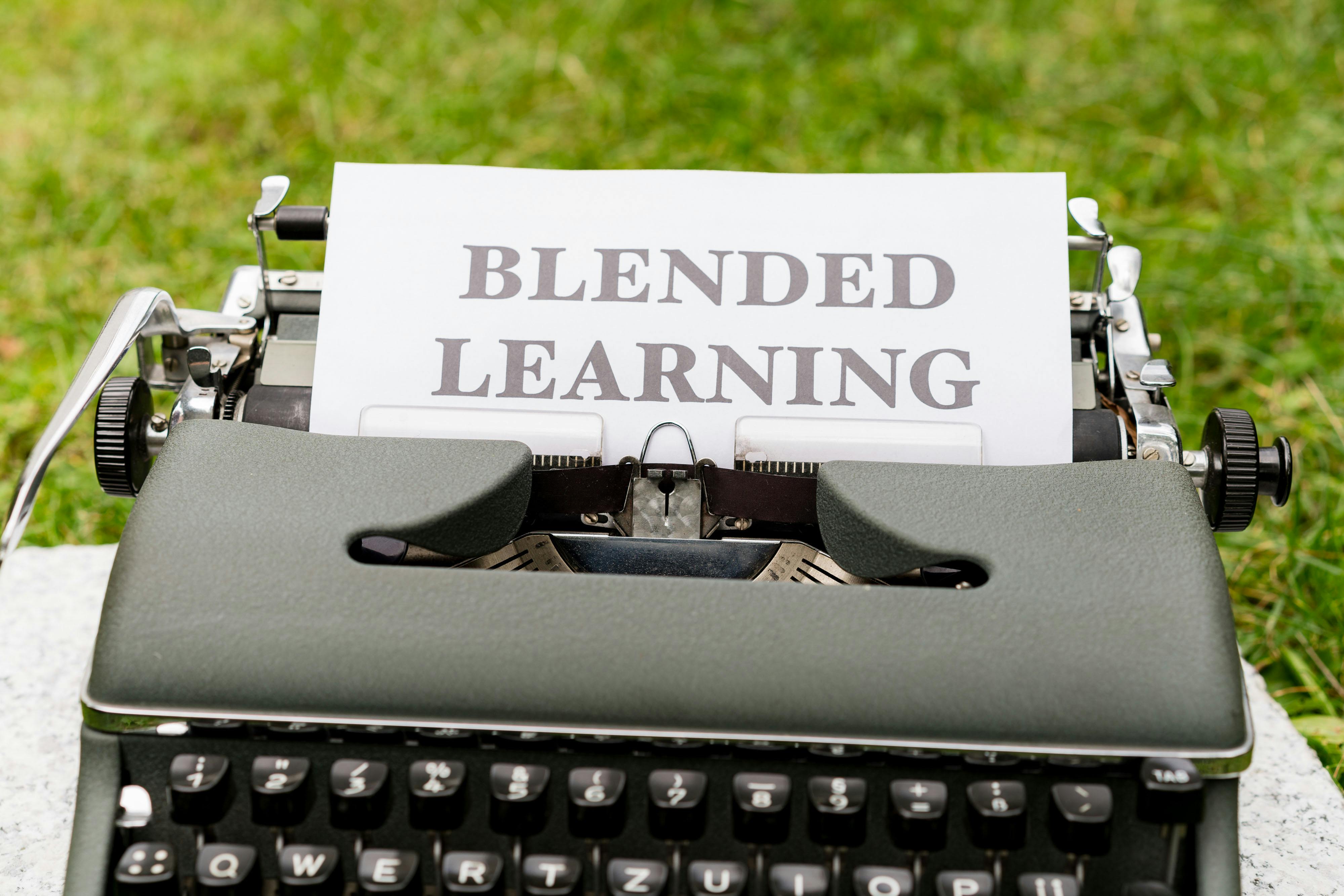
The Evolution of Educational Practices
The global shift in education, especially during the pandemic, accelerated the adoption of hybrid learning models. Institutions were compelled to integrate digital tools with traditional teaching methods to ensure continuity in education. What began as a temporary solution soon proved effective, allowing students to learn remotely while maintaining meaningful interaction with educators. Today, hybrid learning is recognized as a sustainable model that enhances accessibility and supports diverse learning preferences.
Technology Driving Hybrid Learning
Technological innovations play a crucial role in the success of hybrid education. Tools such as video conferencing platforms, learning management systems, and interactive applications enable seamless communication and content delivery. These technologies not only replicate classroom experiences but also introduce new ways of engagement through multimedia, analytics, and personalized learning paths. As digital tools continue to evolve, they further enhance the effectiveness and reach of hybrid learning environments.
Benefits of Hybrid Learning Models
Hybrid learning offers numerous advantages for both students and educators. It enables personalized learning experiences, allowing students to progress at their own pace. The flexibility of accessing materials online helps learners balance academic and personal responsibilities. Additionally, the combination of in-person and digital interaction increases engagement, encourages collaboration, and helps develop essential skills such as communication and teamwork.
Challenges and Limitations
Despite its advantages, hybrid learning presents certain challenges. Unequal access to technology and the internet can create disparities among students. Digital literacy is another concern, as not all learners are equally comfortable with online tools. Additionally, reduced face-to-face interaction may impact social development and peer connections. Addressing these challenges requires thoughtful planning, investment in resources, and support systems to ensure an inclusive learning environment.
Global Perspectives on Hybrid Learning
Different countries have adopted hybrid learning in unique ways based on their resources and educational needs. Some have successfully integrated technology to enhance personalized learning, while others face challenges due to limited infrastructure. These varied approaches highlight the importance of adaptability, teacher training, and access to digital tools in implementing effective hybrid education systems worldwide.
Future Trends in Hybrid Education
Looking ahead, hybrid learning is expected to evolve further with advancements in technologies like artificial intelligence and immersive learning tools. These innovations will enable more personalized and interactive learning experiences. There will also be a growing emphasis on collaboration, critical thinking, and social-emotional learning, ensuring that students are well-prepared for future challenges in both academic and professional environments.
The Evolving Role of Educators
In hybrid learning environments, the role of educators is expanding beyond traditional teaching. Teachers are becoming facilitators who guide, support, and engage students in both physical and virtual settings. This shift requires continuous professional development and adaptability, enabling educators to effectively integrate technology and create meaningful learning experiences for all students.
Conclusion: A New Era of Education
Hybrid learning represents a significant shift in the education system, combining flexibility, accessibility, and innovation. As it continues to evolve, it offers opportunities to create more inclusive and dynamic learning environments. By embracing this model and addressing its challenges, educators and institutions can prepare students for a future that demands adaptability, digital skills, and lifelong learning.
