
Education in the 21st century is undergoing a major transformation, with Artificial Intelligence (AI) emerging as a powerful force in enhancing both teaching and learning experiences. Modern schools are increasingly adopting AI to create personalized and adaptive learning environments that cater to individual student needs. This shift is redefining traditional teaching methods by improving engagement, inclusivity, and overall efficiency.
Understanding AI in Education
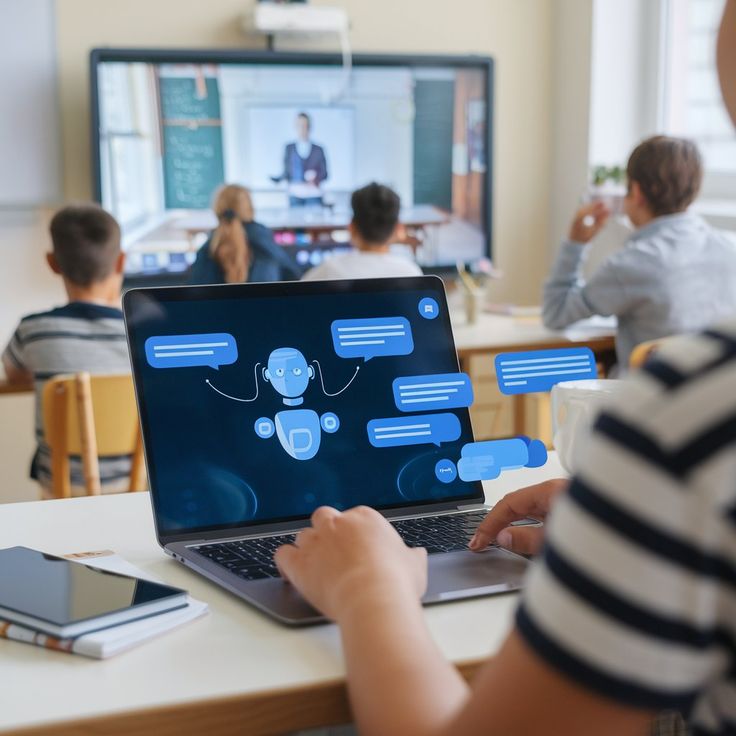
AI in education refers to the use of advanced technologies such as machine learning and data analytics to streamline processes, improve learning outcomes, and deliver customized educational experiences. By analyzing student performance, behavior, and preferences, AI provides valuable insights that help educators address the unique needs of each learner.
The Role of AI in Personalized Learning
Personalized learning focuses on tailoring education to suit each student’s strengths, weaknesses, and interests. AI makes this possible in several ways:
- Assessing Learning Styles: AI platforms analyze how students interact with content, identifying whether they learn best through visuals, text, or practical activities.
- Real-Time Progress Tracking: AI tools continuously monitor student performance, identifying gaps and suggesting targeted improvements.
- Customized Learning Paths: Students receive lessons suited to their pace and ability—advanced learners can move ahead, while others receive additional support where needed.
- Enhanced Engagement: AI-powered gamification introduces interactive quizzes, rewards, and adaptive challenges that make learning more engaging and enjoyable.
Benefits of AI in Modern Classrooms
AI brings multiple advantages to the education system:
- Improved Academic Performance: Data-driven insights help identify areas of improvement, leading to better outcomes.
- Teacher Support: Automation of tasks like grading and attendance reduces workload, allowing teachers to focus on meaningful instruction.
- Inclusive Learning: Assistive technologies such as voice-to-text and translation tools ensure accessibility for all students.
- Adaptive Assessments: AI-based tests adjust to a student’s level, offering accurate evaluation and personalized feedback.
- Predictive Insights: AI helps forecast learning trends and prepares students for future career demands.
Real-World Applications of AI
AI is already transforming classrooms through practical applications:
- Intelligent Tutoring Systems: Provide instant support and feedback beyond classroom hours.
- Virtual Learning Platforms: Offer interactive dashboards and seamless communication for remote learning.
- Administrative Automation: Simplifies tasks like scheduling and enrollment.
- Language Learning Tools: Use speech recognition and adaptive learning to improve language skills.
- Gamified Platforms: Turn lessons into engaging challenges that motivate consistent learning.
Challenges of AI in Education
Despite its benefits, AI adoption comes with challenges:
- Data Privacy: Schools must ensure secure handling of student data.
- Digital Divide: Not all students have equal access to devices and internet connectivity.
- Teacher Training: Educators need proper training to effectively use AI tools.
- Cost Factors: Implementing AI requires careful financial planning for sustainability.
The Future of AI in Education
AI is set to further revolutionize education through:
- Lifelong learning platforms tailored to individual goals
- Emotional AI that responds to student well-being
- Faster and more efficient research tools
- Global classroom collaboration
- Integration with virtual reality for immersive learning experiences
Conclusion
Artificial Intelligence is reshaping education by making personalized learning more accessible and effective. By understanding individual needs, simplifying processes, and enhancing engagement, AI empowers both educators and students. As technology continues to evolve, it will play an even greater role in preparing learners for future challenges, fostering creativity, and unlocking their full potential.