
For MBA students, career goals and decision-making play a pivotal role in shaping their professional futures. These elements not only define individual trajectories but also influence broader market dynamics. In an era of rapid technological change, evolving industries, and emerging business models, understanding how MBA students evaluate opportunities and make career choices is essential. This study examines the motivations, influences, and processes that guide MBA students as they plan for their professional lives.
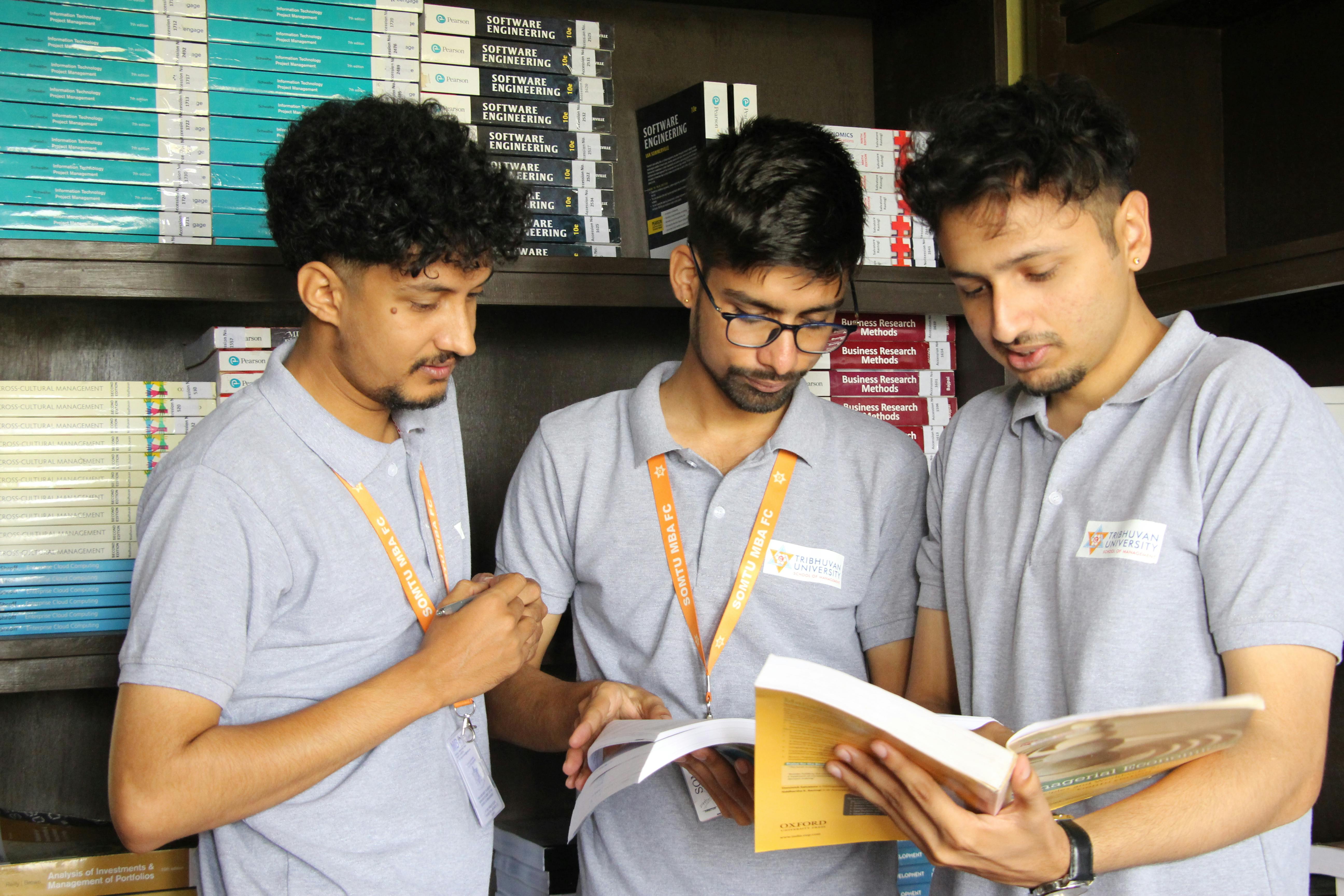
Understanding MBA Programs
The MBA is a graduate-level program designed to equip students with a broad understanding of business management, strategy, finance, marketing, and human resources. Modern MBA programs combine foundational courses with electives and experiential learning—such as internships, projects, and case studies—ensuring that students gain both theoretical knowledge and practical skills.
Today's MBA cohorts are increasingly diverse. Students come from varied academic and professional backgrounds, including engineering, humanities, and sciences, reflecting the growing importance of business skills across all sectors. Additionally, the internationalization of programs has expanded the reach and relevance of MBA degrees globally. Historically, MBA programs were created to cultivate leaders for industrial growth. Over time, curricula have adapted to globalization, technological innovation, and shifting market demands, maintaining their relevance in preparing students for contemporary business challenges.
Study Goals
This research aims to:
-
Explore the career ambitions of MBA students and their preferred industries and roles.
-
Identify the key factors that influence their career decision-making.
-
Examine how MBA experiences—such as coursework, internships, and networking—shape career outcomes.
-
Provide insights that can help programs better prepare students for professional success.
Research Methodology
A mixed-method approach was employed to gain both breadth and depth of understanding. The study sampled 500 MBA students across universities to ensure diverse representation.
Quantitative data: Surveys collected responses from 400 students on career preferences, decision-making criteria, and influencing factors.
Qualitative data: In-depth interviews with 30 students provided insights into personal motivations, experiences, and career choices.
Statistical analysis was used to identify trends and correlations, while qualitative data were thematically analyzed to reveal patterns in decision-making. This combination ensured a comprehensive understanding of the topic.
Key Findings
Career Preferences: MBA students frequently target industries such as finance, consulting, and technology due to perceived stability, career growth, and opportunities for advancement. Many aspire to leadership and managerial positions, while others seek specialized roles in analytics, project management, or entrepreneurship. Past experiences, internships, and exposure to leadership opportunities strongly influence these preferences. External factors like economic conditions and industry trends also shape students’ choices.
Decision-Making Influences: Students’ career decisions are influenced by peers, family expectations, financial considerations, and mentorship. Peer interactions provide motivation and information, though they can also create competitive pressure. Family expectations may steer students toward conventional or high-status roles. Rising education costs often prioritize financial security in career selection. Mentorship is particularly impactful, offering guidance, insights, and encouragement, helping students explore a broader range of options.
MBA Experience Impact: The MBA journey itself significantly shapes career paths. Internships allow students to apply theory in real-world settings and clarify professional interests. Networking with industry leaders, alumni, and classmates opens doors to opportunities and mentorship. Curriculum design, including electives, case studies, and group projects, allows students to explore various functional areas, fostering skills in problem-solving, leadership, and critical thinking.
Challenges: MBA students face a dynamic and sometimes uncertain job market, creating pressure to secure financially rewarding positions. Balancing personal aspirations with market realities, navigating economic fluctuations, and adapting to evolving industries add complexity to career decision-making.
Recommendations
To support MBA students’ career development:
-
Programs should integrate experiential learning opportunities through internships, workshops, and partnerships with industry.
-
Mentorship programs and peer collaboration should be emphasized to provide guidance and broaden perspectives.
-
Career advisors should be well-versed in market trends to deliver tailored advice.
-
Students should be encouraged to remain adaptable and explore diverse roles to maximize opportunities.
For students, proactive engagement—networking, informational interviews, and participation in extracurricular activities—is essential for informed career planning. Flexibility and openness to new paths can lead to unexpected and rewarding professional experiences.
Conclusion
MBA students’ career aspirations are shaped by personal goals, educational experiences, and external factors such as industry trends and market conditions. Programs that provide real-world exposure, mentorship, and individualized guidance enable students to navigate career decisions more effectively. Collaboration between educational institutions, industry, and students ensures graduates are academically prepared and professionally ready to pursue fulfilling and impactful careers in today’s dynamic business environment.
