Social-Emotional Learning (SEL) is an educational approach focused on developing emotional intelligence, interpersonal skills, and responsible decision-making. It goes beyond academic achievement by helping learners understand themselves, manage emotions, build healthy relationships, and navigate social situations effectively. In today’s complex and fast-changing world, SEL has become a key foundation for both personal growth and academic success.
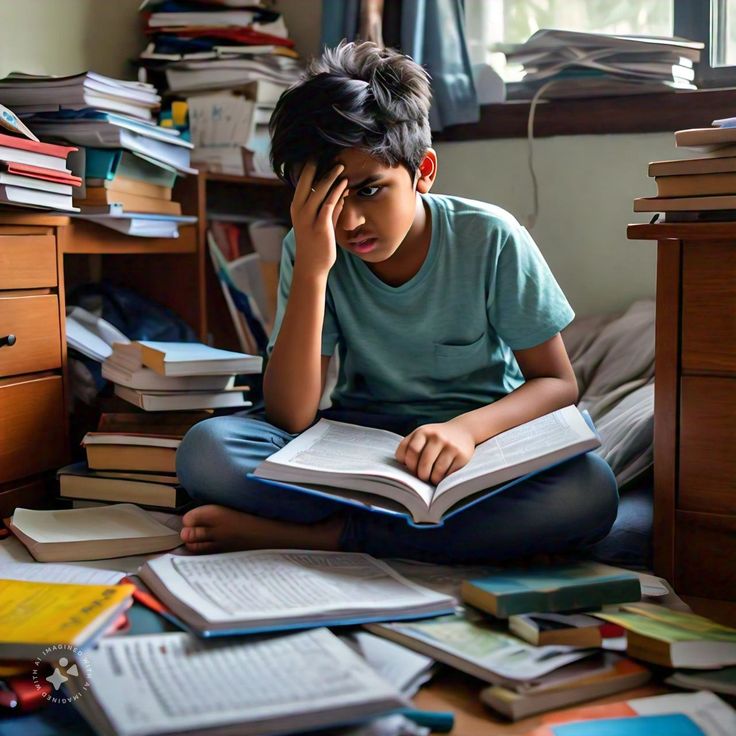
Core Competencies of SEL
SEL is built around five essential competencies that shape a well-rounded individual:
- Self-awareness: Understanding one’s emotions, thoughts, strengths, and limitations. It helps learners build confidence and a clear sense of identity.
- Self-management: Regulating emotions, behaviors, and reactions, especially in challenging situations.
- Social awareness: Developing empathy and understanding diverse perspectives, cultures, and experiences.
- Relationship skills: Building healthy connections through communication, cooperation, and conflict resolution.
- Responsible decision-making: Making thoughtful and ethical choices while considering personal and social consequences.
Together, these skills support emotional intelligence and help individuals succeed both inside and outside the classroom.
Importance of Social-Emotional Learning
The value of SEL extends far beyond emotional development. Research shows that students who participate in SEL programs often demonstrate improved academic performance, better focus, and stronger classroom engagement. When students feel emotionally secure, they are more prepared to learn effectively.
SEL also contributes to a healthier school environment. It reduces behavioral issues, encourages respect among peers, and helps create a sense of belonging. By learning empathy and emotional awareness, students are less likely to engage in bullying and more likely to build supportive relationships.
How SEL Shapes the Brain and Behavior
Modern neuroscience supports the importance of SEL. Emotional processing in the brain involves the amygdala, while decision-making and self-control are regulated by the prefrontal cortex. SEL practices strengthen the connection between these areas, helping individuals respond to emotions in a balanced and thoughtful way.
Studies have also shown that students who engage in SEL programs experience measurable academic gains compared to those who do not. Long-term research further suggests that strong emotional and social skills in childhood are linked to better mental health, lower anxiety, and improved resilience in adulthood.
Key Benefits of SEL
Improved Academic Performance
Students with strong emotional skills tend to concentrate better, manage stress effectively, and perform well academically.
Better Behavior and Classroom Environment
SEL reduces conflicts and encourages cooperation, creating a more positive and respectful learning space.
Stronger Mental Health
By learning how to understand and manage emotions, students develop coping strategies that help them deal with anxiety and stress.
Greater Empathy and Social Skills
SEL encourages students to understand others’ feelings and perspectives, improving communication and teamwork.
Implementing SEL in Education
Schools integrate SEL through structured programs, classroom activities, and daily practices. Lessons can include group discussions, reflective writing, role-playing, and collaborative projects that strengthen emotional awareness.
Teacher training plays a vital role in successful implementation. Educators need support and resources to effectively guide students in developing SEL skills. When schools prioritize training and consistent practice, SEL becomes a natural part of the learning environment.
Partnerships with families and communities also enhance SEL outcomes. When emotional learning is reinforced at home, students experience more consistent development.
The Role of Home in SEL Development
SEL is not limited to classrooms. Families play a crucial role in shaping emotional growth. Open conversations about feelings, shared activities, and consistent routines help children develop stability and emotional understanding.
When parents encourage children to express emotions and solve problems collaboratively, they strengthen empathy, communication skills, and confidence.
The Role of Educators
Teachers are central to SEL success. By modeling empathy, patience, and communication skills, educators help students learn through example. Classroom strategies such as group work, mindfulness activities, and open discussions about emotions support a healthy learning environment.
At the same time, supporting teachers’ own emotional well-being is equally important, as it directly influences how effectively they can guide students.
Measuring the Impact of SEL
The effectiveness of SEL programs is often measured through surveys, teacher observations, and peer feedback. These tools assess areas such as emotional awareness, behavior, teamwork, and decision-making skills.
Continuous evaluation helps schools refine their approaches and ensure that SEL programs meet students’ evolving needs.
Challenges in SEL Implementation
Despite its benefits, SEL faces several challenges:
- Unequal access to digital tools and learning resources
- Lack of teacher training in emotional education
- Increasing screen time and digital fatigue among students
Addressing these issues is essential for making SEL effective and inclusive.
The Future of Social-Emotional Learning
The future of SEL is closely linked with technology and innovation. Digital platforms, artificial intelligence, and interactive learning tools are making emotional education more personalized and engaging.
Virtual and augmented reality may soon allow students to experience real-life social situations in controlled environments, helping them develop empathy and problem-solving skills. Gamified learning experiences are also making SEL more interactive and motivating.
As global challenges grow, SEL will play an even greater role in preparing students with the emotional resilience, adaptability, and ethical awareness needed for the future.
Conclusion
Social-Emotional Learning is no longer an optional addition to education—it is an essential part of developing well-rounded individuals. By nurturing emotional intelligence alongside academic knowledge, SEL helps students become more confident, empathetic, and capable of handling life’s challenges.
In a rapidly changing world, the ability to understand oneself and others is just as important as academic success. SEL ensures that education shapes not only intelligent minds but also compassionate human beings.
